Practical cryptocurrency guides
Polynomial fees is a gas-free trading cost model for Ethereum L2 perps
Bottom line: Decentralized perps exchange fee model on Polynomial's Ethereum rollup, centered on gas-free transactions for perps traders.
Polynomial fees is a gas-free trading cost model for perpetual futures on Polynomial's own Ethereum rollup, where traders sign orders and manage cross-margin positions without paying separate L1 gas for every action. The visible cost of a trade comes from execution quality, spread, price impact, funding, and liquidation exposure, while the rollup design removes the repeated transaction fee friction that makes active perps trading expensive on many Ethereum venues.
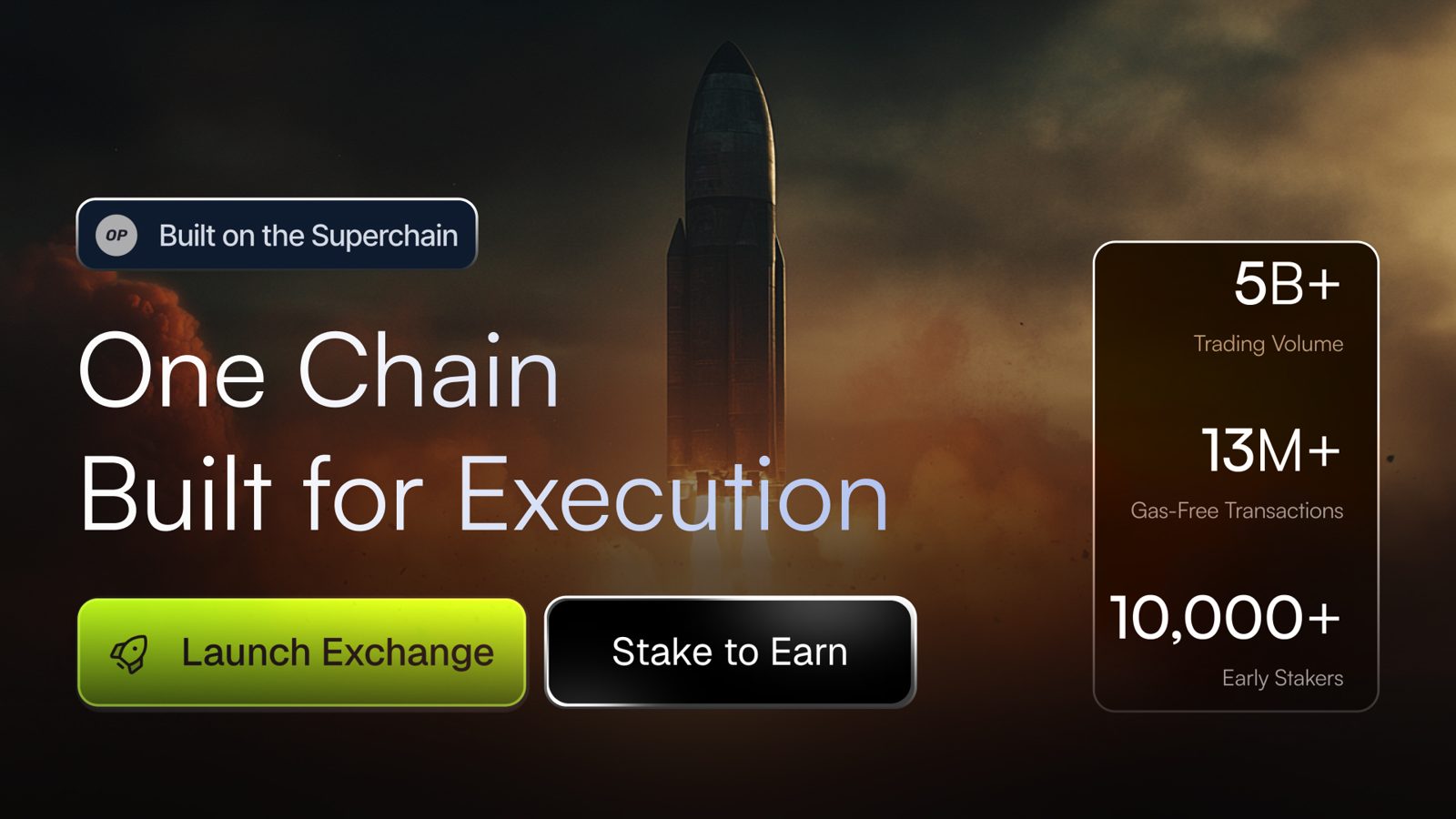
The important idea is simple: the exchange is built around execution first. Polynomial is a fully decentralized perps exchange, powered by its own Ethereum Layer 2 and built on the Superchain. That matters for fees because the chain is designed for high-frequency trading behavior rather than occasional DeFi interactions. Opening a position, adjusting margin, closing a trade, bridging funds, and staking within the ecosystem belong to the same execution-focused environment.
Gas-free execution changes the real cost of active trading
On many decentralized exchanges, the trading fee is only one part of the bill. Network gas turns every order adjustment into a separate expense, especially when markets move quickly and a trader needs to add collateral, reduce exposure, or exit. Polynomial fees remove that constant gas calculation from the front of the decision, so a trader focuses on whether the position, size, entry, and risk level make sense.
This does not make a perps position costless. A leveraged trade still carries market-driven costs, including the spread at execution, funding between longs and shorts, and any adverse movement before the order fills. The difference is that the rollup absorbs the user experience around transaction fees, which is especially relevant for scalpers, market makers, and traders who rebalance frequently.
The AMM-to-orderbook engine and where costs appear
Polynomial starts markets with a pool-based AMM, a design choice aimed at thin liquidity and large trades. In that mode, the cost a trader sees is tied to the pool's pricing curve and the size of the order. Large trades move the execution price more than small trades, so price impact becomes part of the fee conversation even when the interface labels it separately.
As a market grows, Polynomial's execution path upgrades toward an orderbook. Orderbooks create tighter spreads when there are enough makers and takers, because bids and asks compete directly. That shift matters for Polynomial fees: early markets lean on AMM depth, while mature markets lean more on spread, order placement, and available liquidity at each price level.
Funding payments belong in every fee estimate
Perpetual futures use funding to keep contract prices aligned with the underlying market. When long demand outweighs short demand, longs pay shorts; when short demand dominates, shorts pay longs. This payment is separate from the act of opening a position, but it changes the full cost of holding exposure over time.
A trader comparing Polynomial fees across venues should treat funding as a carrying cost, not an afterthought. A position that looks inexpensive at entry becomes expensive when funding runs against it for hours or days. A position with favorable funding offsets part of the trade cost, although price movement still dominates the outcome of a leveraged contract.
Cross-margin changes how fees interact with risk
More broadly, Polynomial uses one margin account across positions, which means collateral supports the account rather than a single isolated trade. Cross-margin improves capital efficiency because unrealized profit, available balance, and collateral value contribute to the account's risk profile. It also changes how a trader thinks about fees, because one losing position affects the cushion available for every other open position.
With Polynomial fees, the absence of repeated gas charges encourages more active position management. Adding margin, trimming size, or closing part of a trade becomes easier to justify operationally. The tradeoff is discipline: cross-margin links positions together, so a trader must watch account equity, funding, and liquidation distance across the full portfolio.
Multi-collateral margin affects the cost basis
The protocol supports ETH, stablecoins, and other assets directly as margin. That removes a common source of friction because users do not need to wrap assets before depositing them. It also makes the cost basis more complex. Stablecoin collateral keeps accounting straightforward, while volatile collateral such as ETH changes value as the market moves.
That distinction matters when calculating Polynomial fees for a real trade. If the posted margin rises or falls while the position is open, the trader's effective account health changes even before the perps position itself is closed. Multi-collateral support gives flexibility, but the cleanest cost estimate starts by separating trading costs from collateral price movement.
Oracle-based liquidation logic reduces wick-driven surprises
Liquidation risk is part of the cost of leveraged trading because a forced close adds penalties and realizes losses at an unfavorable moment. Polynomial highlights oracle-based liquidation logic designed to protect users from price wicks and manipulation. That design anchors liquidation decisions to oracle pricing rather than a single thin venue print.
The fee relevance is direct. A liquidation mechanism that resists temporary wicks gives traders a clearer relationship between margin, leverage, and exit risk. It does not remove liquidation risk, and it does not protect an undercollateralized account from a real market move. It narrows the specific problem of a short-lived price spike triggering an avoidable close.

What to check before placing a Polynomial perps order
A useful fee estimate starts before the order is submitted. The trader needs to look beyond a single quoted fee line and read the whole trade ticket: order size, available liquidity, collateral type, funding direction, and liquidation price. Polynomial fees make the transaction layer lighter, but the trade economics still live in the position details.
- Check the spread between the executable bid and ask.
- Compare order size with available depth or AMM impact.
- Review the current funding direction for the selected market.
- Confirm whether margin is posted in ETH, stablecoins, or another supported asset.
- Watch the liquidation distance after leverage is applied.
- Account for bridge timing before funds reach the rollup.
Getting started with the fee model
A new user begins by connecting a wallet, bridging supported collateral to Polynomial's rollup, and choosing a perps market. From there, the interface turns the fee question into concrete numbers: entry price, margin, leverage, estimated liquidation level, and funding. The gas-free design means account setup and trade management feel closer to an exchange workflow than a sequence of separate Ethereum transactions.
The best first trade is small enough that execution quality is easy to inspect. After the order fills, the trader sees how margin, funding, and unrealized PnL update inside the account. That first cycle explains Polynomial fees better than a static schedule because it shows which costs appear immediately and which accrue while the position remains open.
Where Polynomial fits beside other perps venues
Traders comparing decentralized perps markets usually look at dYdX, GMX, Hyperliquid, Synthetix Perps, and newer rollup-native exchanges. Polynomial's distinct angle is the combination of its own Ethereum Layer 2, gas-free transactions, pool-based AMM launch mode, orderbook evolution for deeper markets, cross-margin, and multi-collateral support.
That mix gives Polynomial fees a specific profile. The chain design reduces repeated transaction overhead, the execution engine adapts as liquidity develops, and the risk system places collateral efficiency at the account level. A trader choosing between venues should compare live spreads, available markets, funding, liquidity depth, and collateral preferences rather than relying on a single fee label.

Why staking and ecosystem activity matter to costs
Day to day, Polynomial's public positioning connects trading, staking, bridging, and ecosystem participation on one rollup. The site describes a system structured to reward users who drive it, with staking presented as part of the broader exchange design. That does not change the immediate cost of a perps order, but it shapes the economic context around the platform.
For an active trader, the relevant fee question is not only what the order ticket charges. It is how the rollup, execution engine, collateral model, and staking system fit together around capital. Polynomial fees are best understood as one layer of that design: gas-free access at the transaction layer, market-based trading costs at execution, and risk costs that follow leverage until the position closes.
Questions people ask about Polynomial fees
What trading costs should I include when estimating Polynomial perps fees?
Include the displayed trading charge, bid-ask spread, AMM price impact or orderbook depth, funding payments, collateral movement, and liquidation exposure. Gas-free transactions remove the repeated network fee from routine actions, but they do not erase market costs. For a held position, funding and execution quality matter more than the initial click cost.
Does gas-free trading on Polynomial mean every order is free?
No. Gas-free trading means the user does not pay a separate network gas charge for each trading action on Polynomial's rollup. The trade still has economic costs from execution price, spread, funding, and risk management. A leveraged position also exposes the account to liquidation if collateral falls below the required margin level.
Which collateral choices change the fee calculation on Polynomial?
Stablecoins make the cost calculation cleaner because the margin value stays close to the quoted dollar value. ETH and other volatile collateral add another moving part: the collateral itself rises or falls while the perps position is open. That movement changes account equity and liquidation distance, so it belongs in the full trade estimate.
Can cross-margin lower my effective cost on Polynomial?
Cross-margin improves capital efficiency by letting one account balance support multiple positions. That reduces the need to overfund each trade separately and makes position adjustments easier in a gas-free environment. It also links risks together, so losses in one market reduce the margin cushion available to other open positions.
When do funding payments matter more than entry fees?
Funding matters most when a position remains open across several funding intervals or when one side of the market is heavily crowded. A low entry cost loses its advantage if funding consistently runs against the position. Short-duration trades focus more on spread and price impact, while longer holds need funding included in the expected cost.
Price impact on Polynomial fees: why does order size matter?
Order size matters because early Polynomial markets use pool-based AMM pricing, where larger orders move further along the pricing curve. As markets deepen and move toward orderbook execution, available bids and asks determine how much size fills near the quoted price. In both cases, bigger orders need deeper liquidity for cleaner execution.